🧠 What It Is
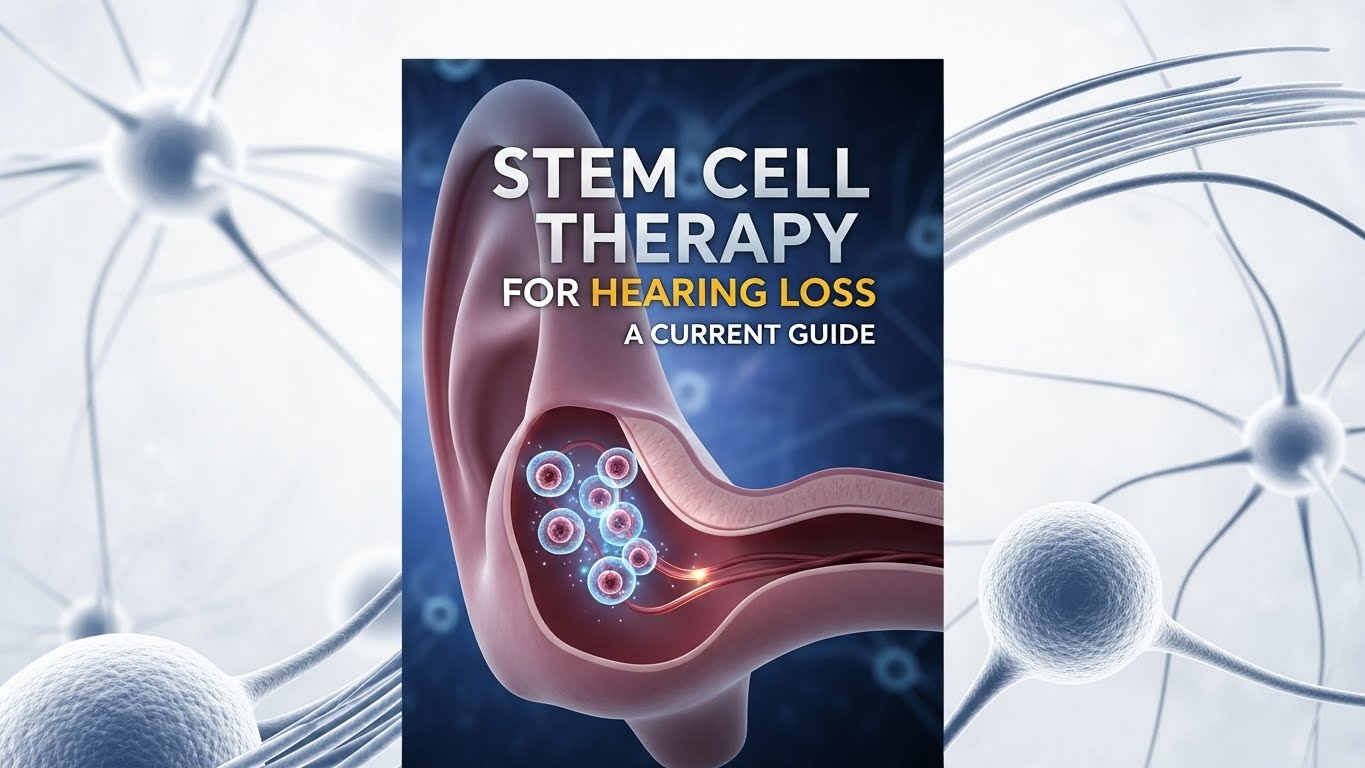
Stem cell therapy aims to repair or replace damaged cells in the inner ear, particularly the sensory hair cells and auditory neurons that transduce sound into neural signals for the brain. Unlike hearing aids or cochlear implants, which help hearing, stem cells could potentially restore natural hearing by regenerating the biological machinery itself. (NBScience)
🔬 Scientific Progress (2025 Update)
📊 Research & Preclinical Progress
- Lab and animal studies show stem cells can differentiate into hair cells and auditory neurons, and even form new synaptic connections in cochlear tissue. (PubMed)
- Certain stem cell types studied include:
- Mesenchymal Stem Cells (MSCs) — from bone marrow, fat, or umbilical sources.
- Induced Pluripotent Stem Cells (iPSCs) — reprogrammed from adult cells.
- Embryonic Stem Cells (ESCs) — more potent but with safety concerns. (ERMHS Journal)
Exosomes, tiny vesicles released by stem cells, are also being tested as a safer, cell-free regenerative strategy because they carry growth and healing signals. (Medical Tourism Review Board)
Animal experiments have shown improved hearing thresholds and structural repair in models of noise-induced hearing loss, with stem cells promoting hair cell survival and nerve protection. (Stemwave Pro)
🧪 Human Clinical Trials — Where We Stand
No widely accepted stem cell treatment for hearing loss has yet been approved. Most work remains experimental or in early clinical trial stages.
🧪 First Human Trials
- In the UK, the first human trial of a stem cell-based therapy, Rincell-1, has begun. It targets auditory nerve damage, aiming to regenerate spiral ganglion neurons, which are crucial for transmitting sound to the brain. This is the first regulated clinical trial testing a cell therapy designed to regenerate inner-ear nerves. (Hearology)
- Results from Phase 1 are expected over the next couple of years, but broader safety and effectiveness data are still needed before approval.
📉 What It Doesn’t Do (Yet)
- Stem cell therapies do not yet offer a proven cure for common sensorineural hearing loss in humans. Most clinics that claim immediate restoration are unverified and may be fraudulent. Caution is strongly advised. (Reddit)
- Treatment outcomes vary widely in research, and clinical outcomes in humans remain limited and unproven. (Cureus)
📍 Challenges & Risks
Stem cell therapy must overcome several hurdles:
- Precise targeting: directing cells to the right place in the cochlea safely.
- Differentiation control: ensuring that cells differentiate into the appropriate inner ear cell types without forming tumours.
- Immune response & rejection concerns.
- Harmonizing complex inner ear structure, where precise wiring is essential for hearing. (The Better Hearing Society)
🔮 Future Outlook
👂 Promise Ahead
- With ongoing trials and advances in gene editing, exosome therapy, and organoid models, many scientists believe regenerative hearing treatments could emerge within the next decade. (Biophysics Reports)
- Combined approaches—stem cells combined with gene correction or medical devices—may accelerate progress.
📅 When Could Real Treatments Arrive?
Although research is accelerating, approved, effective stem cell treatments for most human hearing loss are likely years away, not months. Safety, consistent results, and regulatory approvals take time.
🧠 Summary
📌 What it is: Biological attempt to regenerate inner ear cells.
📌 Status: Promising lab and early human trials.
📌 Availability: Not yet clinically validated; caution with unregulated clinics.
📌 Future: Ongoing trials and research suggest potential therapies within the next decade.